
Room hire in Paris 17th: the guide to finding the right space (meeting, seminar, party)
Meeting room, seminar room, function room: how to hire a space in the 17th arrondissement of Paris for your format, what should be included, and why a "room" is rarely what you actually need.
The La Fabrique Générale team
Ask an AI to summarise this article
Click on your favourite AI for an instant summary
"Room hire Paris 17th": that's the search typed every week by dozens of office managers, executive assistants and HR leads across western Paris. Behind those four words, though, lie very different needs: a twelve-person leadership meeting, a fifty-person seminar day, a hundred-person team party. And the right venue isn't the same for each.
This guide takes the question from the top: which room for which format, what a hire should include, what to check before signing, and why, beyond a certain size, it's no longer a room you need.
Why the 17th
The 17th is the arrondissement of head offices without the head-office atmosphere. It borders the Étoile, the Monceau plain, Saint-Lazare and the routes out to La Défense: teams from western Paris get there in a quarter of an hour, and so do those arriving by train. On the Batignolles side it has kept its quiet streets, its food shops and its former artisans' workshops, which makes it one of the few areas of Paris where you can find rooms with character without leaving the city.
We covered the neighbourhoods, transport links and lead times in our guide to booking an event venue in the 17th. Here, we focus on the room itself.
Which room for which format
The meeting room: 8 to 20 people
Executive committee, leadership offsite, a day-long working session. The need looks simple: a table, chairs, a screen. In practice, what makes the difference lies elsewhere: natural light (a day under basement strip lights drains people before noon), absolute quiet, coffee that doesn't come from a machine, a lunch that doesn't swallow an hour and a half. Hotel meeting rooms tick the first box and rarely the others.
The seminar room: 20 to 60 people
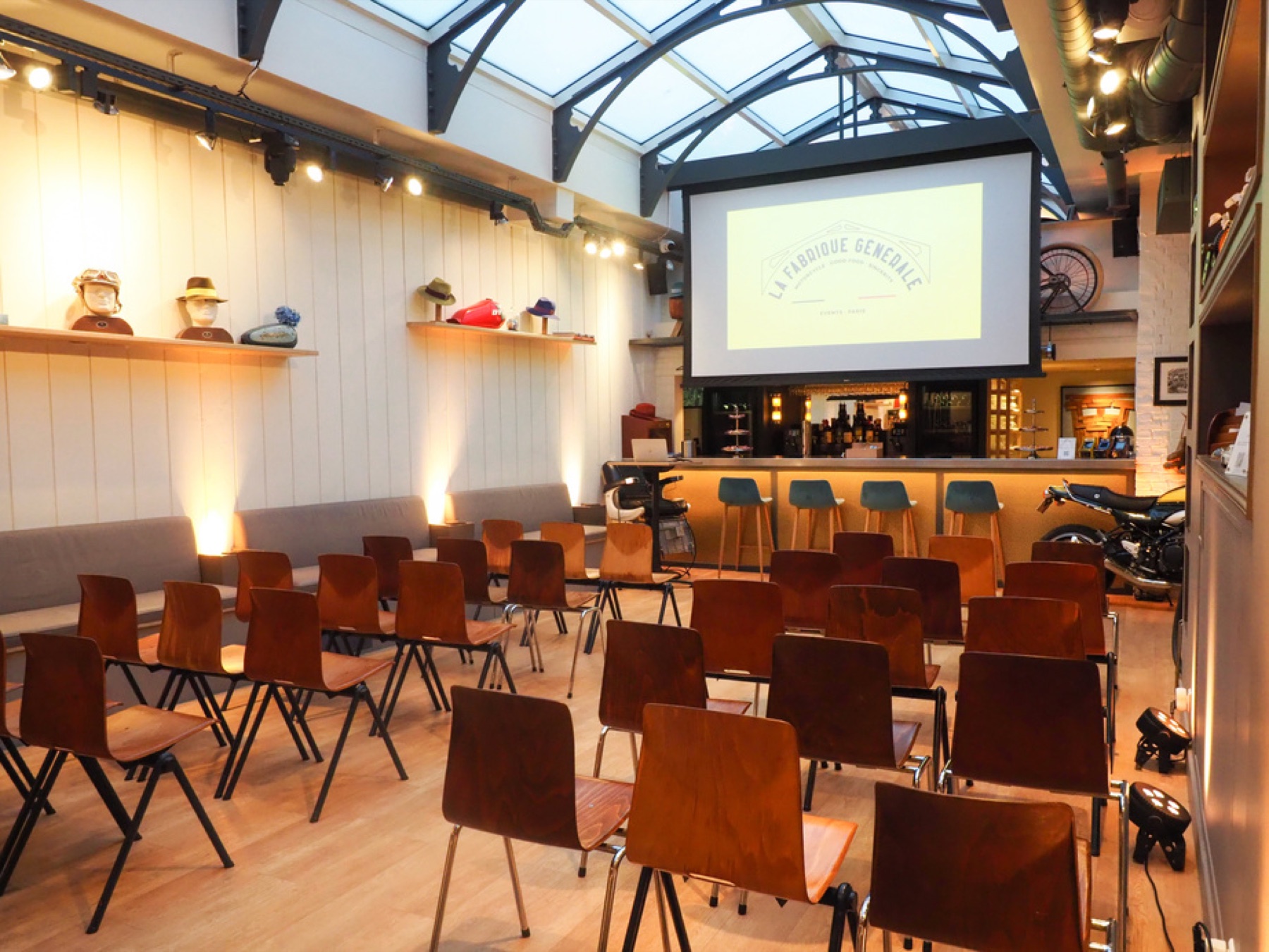
Plenary in the morning, workshops in the afternoon, a seated lunch in between. The room has to be reconfigured in ten minutes (theatre, U-shape, cabaret, clusters), have proper AV (projection, wireless mics, multi-zone sound) and, above all, offer breakout spaces for the sub-groups. A single large room with no side rooms condemns the workshops to talking over each other. Our seminar checklist sets out the typical programme.
The function room: 30 to 150 people
Corporate party, after-work, product launch, client cocktail. Here the room has to hold the headcount as a standing cocktail, have a bar worthy of the name, a cloakroom, and a clear answer to the noise question. In a residential arrondissement, a venue that hasn't settled its relationship with the neighbours is a venue where the music stops at 10 pm. With us, karaoke and the noisier activities live on the lower ground floor, for precisely that reason.
The room for a dinner: 8 to 30 covers
Client dinner, closing dinner, team meal. This format needs fewer square metres and more care: a laid table, plated service, lighting that comes down in the evening. We covered it separately in our corporate dinner guide.
The three hire formulas
Not all "room hire" sells the same thing. You need to know which one you're being offered.
Dry hire. Walls, chairs, sometimes a screen. Everything else is added: catering, drinks, staff, AV, cleaning. The hourly rate is low, the final total is not, and the organiser becomes the project manager of five suppliers.
The equipped room. Dry hire plus basic AV and a welcome coffee, often with a list of approved caterers to choose from. This is the business-centre and hotel model. Fine for a meeting, limited for a party.
The all-inclusive venue. A per-person rate covering exclusive hire, food cooked on site, drinks, staff and AV. It's the model we've chosen, and the one we recommend as soon as an event goes beyond a simple meeting. To compare the three formulas on the same basis, see how to read a venue hire quote.
What to check before you hire
- Capacity per layout, not the headline capacity. "150 people" means 150 as a standing cocktail. The same room takes 60 in plenary and 30 at a seated dinner. Ask for the figure for your format.
- Genuine exclusive hire. A room hired in a venue that hosts another group the same evening isn't exclusive. You'll share the bar, the toilets, the cloakroom and the noise level.
- AV included. Projector, screen, microphones, sound system, dedicated wifi: in the quote or as an option? Is a technician present on the day?
- Food. Cooked on site or delivered by a caterer? Dietary requirements (vegetarian, halal, kosher, gluten-free) included or extra?
- Hours. Access time for set-up, finishing time, cost of each extra hour.
- Access. Metro within five minutes, parking nearby, accessible for everyone. In the 17th, Villiers, Rome and Malesherbes serve the Batignolles area directly from Saint-Lazare and the Étoile.
- The neighbours. Ask the question head-on: until what time can you make noise, and where?
The room trap
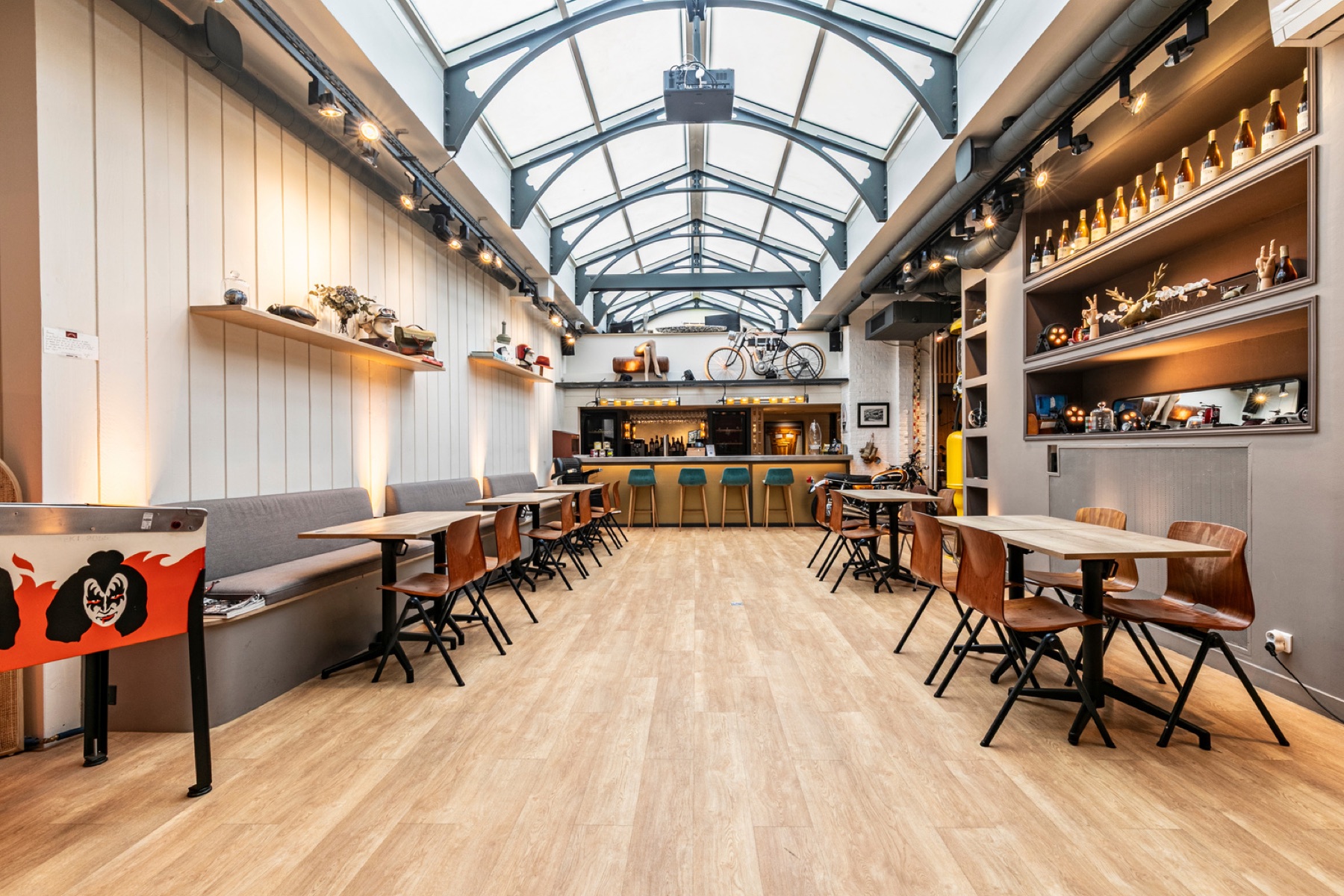
Here is the point few venues say out loud. Beyond twenty people, it's no longer a room you need: it's a venue. A seminar needs a plenary space, two or three rooms for workshops, somewhere to have lunch and a coffee corner. A party needs a bar, a room for the sharing boards, another for karaoke, a cloakroom and a porch where people can smoke without crowding the pavement.
Hiring a single room for all of that means making lunch and the plenary share the same space, or sending the workshops into the corridor. That's why we don't hire out rooms: we hire out a whole house, to one group at a time. Whether you're 20 or 150, the glass-roofed hall, the lounge, the lower ground floor and the lodge are yours. The rate is per person, and there is no "room-only rate", because a room on its own meets none of the needs above.
The capacities that matter
To help you place yourself, here are the capacities of our house, 350 m² over two floors, a former mirror workshop under a skylight glass roof:
| Format | Capacity | Slot |
|---|---|---|
| Standing cocktail, party, after-work | Up to 150 guests | Monday to Friday, from 6 pm |
| Seminar plenary | Up to 60 people | Daytime, from 9 am |
| Dinner cocktail with partial seating | Up to 80 guests | Evening |
| Seated lunch or dinner, table service | Up to 30 covers | Lunchtime or evening |
One event at a time. Room-by-room details, layouts and floor plan on the venue page.
How far ahead
A meeting or a team lunch can be set up in one to two weeks. A seminar needs six to eight weeks, more in September and January. An end-of-year party is booked from September: the Thursdays of December go first, especially in exclusive-hire venues that can only host one group per evening.
In short
Hiring a room in the 17th means first naming your format (meeting, seminar, reception, dinner), then identifying the formula on offer (dry hire, equipped or all inclusive), then checking seven points: capacity per layout, genuine exclusive hire, AV, food, hours, access, neighbours. And remembering that beyond twenty people, a room is no longer enough.
Ours is at 2 rue Léon Cosnard, two minutes from Villiers metro. Tell us about your event: we reply within 24 hours, with a one-page quote and a visit if the project appeals.
Further reading
 Practical guide
Hiring a venue in Paris: how to read a quote (and spot the hidden costs)
Dry hire or all inclusive, minimum spend, overtime, cleaning, staff: the guide to comparing venue hire quotes in Paris on the same basis, and avoiding the surprise invoice.
 Ideas & inspiration
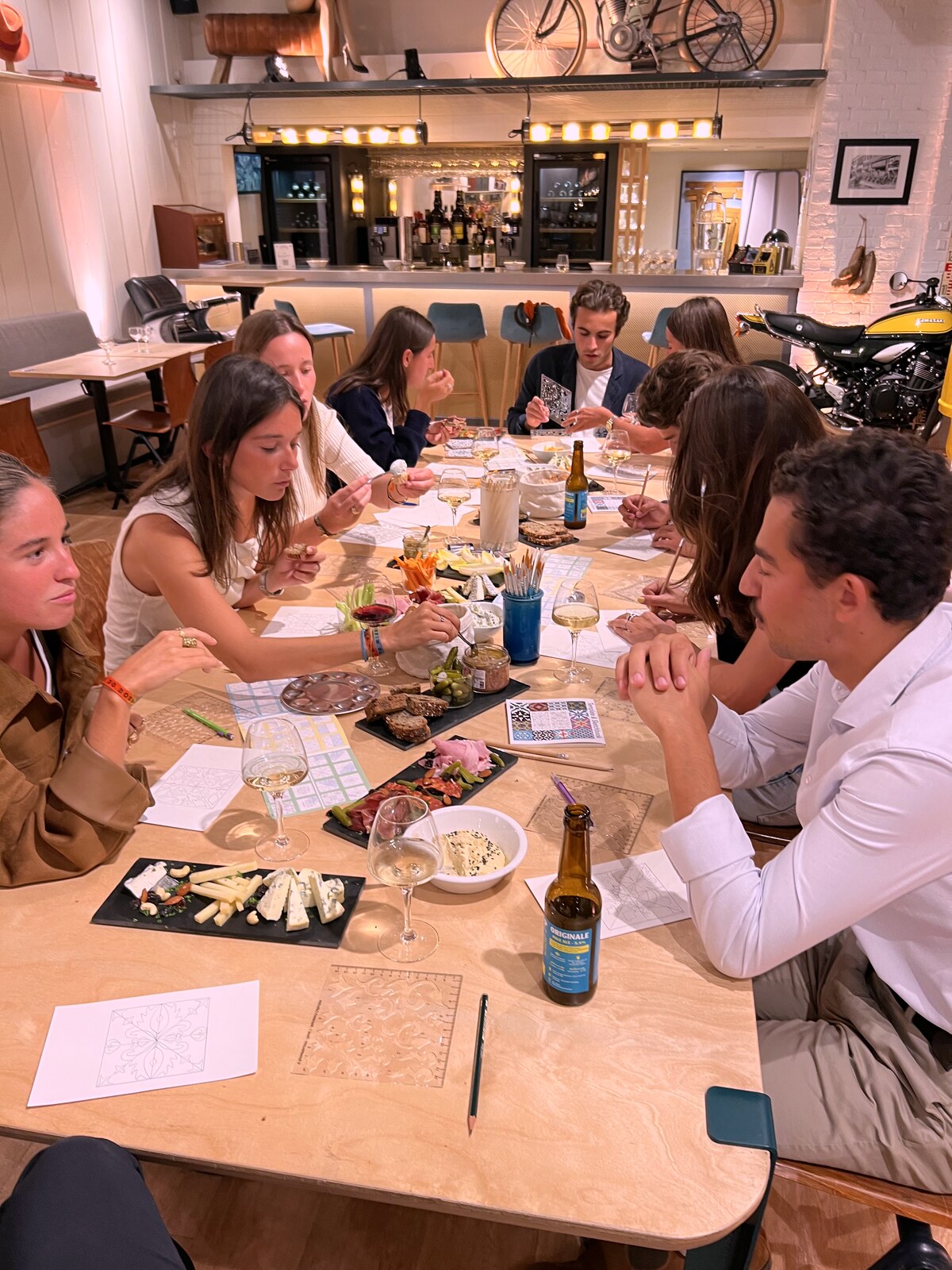
Team building in Paris: 7 indoor formats that work all year round
Half-day, hybrid day, after-work challenge, podcast workshop… The indoor team-building formats that genuinely build cohesion in Paris, and how to put them together without turning the day into summer camp.
 Practical guide
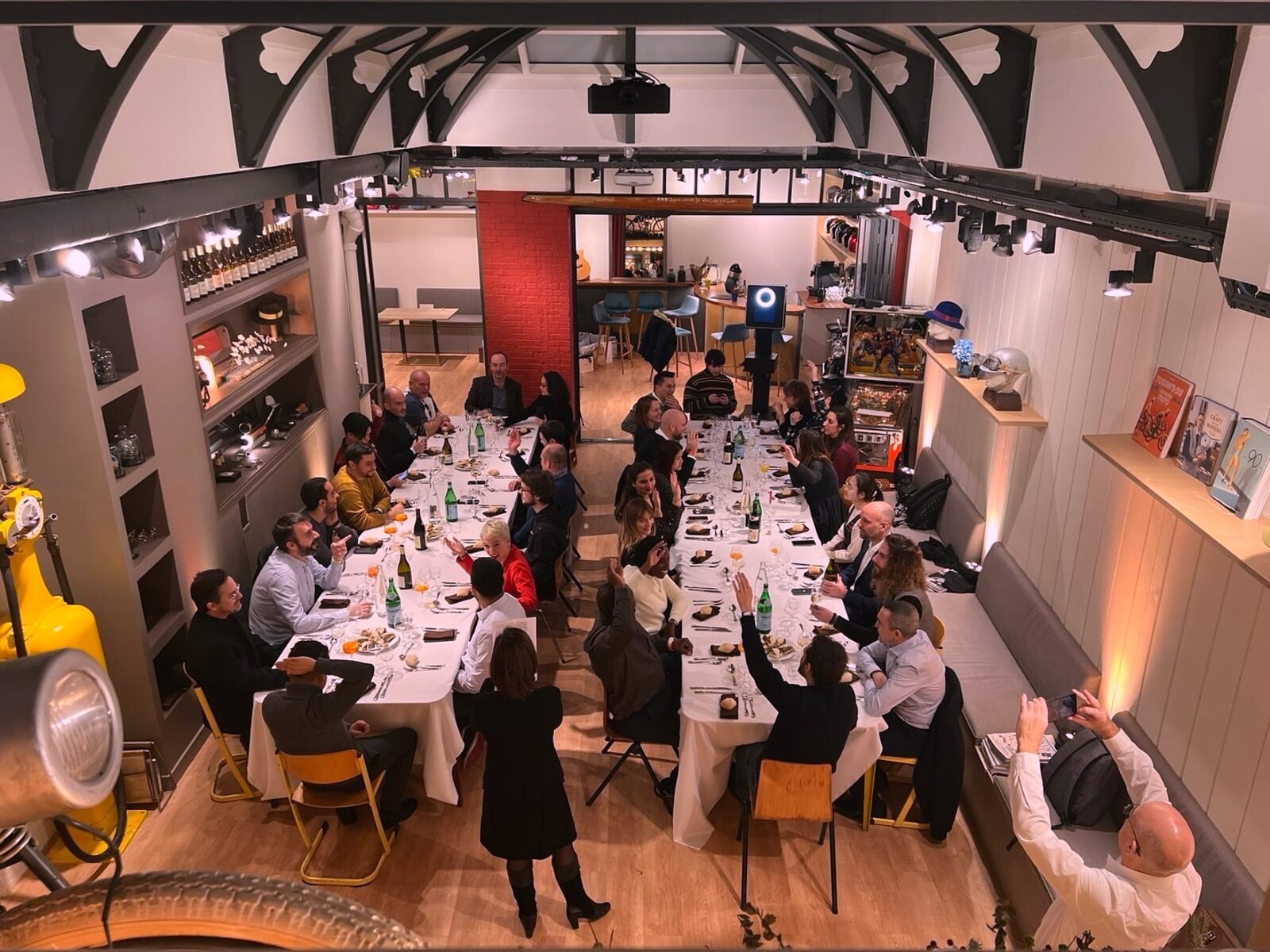
Organising a corporate dinner in Paris: the guide to a proper table
Executive committee, client dinner, team meal: how to organise a corporate dinner in Paris for 8 to 30 covers, choose between a restaurant and an exclusively hired venue, and build a menu everyone agrees on.