
How to organise a corporate seminar in Paris: the complete checklist
From the date to the debrief: a step-by-step method for organising a corporate seminar or team offsite in Paris that people remember, without losing your evenings to it. Checklist included.
The La Fabrique Générale team
Ask an AI to summarise this article
Click on your favourite AI for an instant summary
Organising a corporate seminar in Paris is a project that always starts the same way: an enthusiastic objective, a spreadsheet, and very quickly… far too many tabs open. Venue, catering, AV, programme, transport, budget: everything feels urgent at once.
The good news: a successful seminar isn't a matter of luck, it's a matter of sequence. Here is the method we see working, event after event, with the teams who come to us, along with the checklist so nothing gets forgotten.
Three months out: lay the foundations
Clarify the objective (and say it out loud)
"Holding a seminar" is not an objective. Realigning teams after a reorganisation, celebrating a strong half-year, onboarding new recruits, building the roadmap for the year ahead: each of these calls for a different programme, a different tone and a different venue.
Write the objective down in a single sentence and share it with participants from the very first invitation. A seminar whose "why" everyone understands is already half won.
Set the date and the headcount
Two simple rules:
- Avoid Mondays and the days before school holidays. Tuesdays and Thursdays remain the days with the best attendance.
- Count the real headcount, not the theoretical one. Out of 70 people registered, plan for 60 to turn up. That figure determines the venue, not the org chart.
In Paris, the good slots go fast: for a September kick-off or a new-year seminar, book the venue 8 to 12 weeks in advance.
Choosing the venue: the six criteria that matter
- Accessibility. A venue within central Paris, close to a metro station, spares you the coach logistics and the cascading delays.
- Natural light. Eight hours of thinking under strip lights never did anyone any good. A glass roof or large windows change the energy of a whole day.
- Room to breathe. A plenary room isn't enough: you need spaces for breaks, breakout sessions and informal conversations.
- AV included. Projector, sound system, microphones, solid wifi: check that everything is on site and run by the venue's team, not left to you.
- Catering built in. An outside caterer is one more supplier to coordinate. A venue that cooks on site is one less thing to think about, and usually a better plate.
- A single point of contact. The least visible criterion and the most decisive: one person who follows your event from brief to debrief.
That is exactly the brief that shaped our seminar day format: a whole venue, flexible and yours alone, with an AV crew on site, breakfast and lunch included, for up to 60 participants.
One month out: build the programme
The running order of a day that works
After hosting dozens of seminars, here is the structure that keeps coming back in the ones that go well:
- 9:00 am · Welcome coffee. Allow plenty of time: this is where the day sets its temperature.
- 9:30 am · Opening plenary. The key message from leadership, short and delivered in person.
- 11:00 am · Breakout workshops. This is where the value gets created.
- 1:00 pm · Seated lunch or cocktail. A proper meal, not a tray: lunch is part of the programme.
- 2:30 pm · Second round of workshops, or feedback sessions.
- 4:00 pm · Closing plenary: decisions, next steps, who does what.
- 5:00 pm · Official end. And if the mood is right, a drink to carry on.
Vary the formats
The golden rule: never more than 90 minutes in the same set-up. Alternate plenary sessions, workshops around tables, standing feedback rounds. A change of format (and of room) revives attention better than any speaker.
Catering is not a detail
It's the moment your participants will remember the longest, for better or for worse. Three things to watch:
- Collect dietary requirements and allergies at registration, not the day before.
- Favour food cooked on site, in season: the difference shows on the plate and is heard in the conversations.
- Ban the heavy lunch: the 2:30 pm workshop will thank you.
The final week: the last checklist
7 days before:
- Confirm the final headcount with the venue (this is often the contractual deadline for adjustments).
- Send participants the practical details: address, timings, running order, dress code if any.
- Do an AV check: presentation files collected, microphone needs, minute-by-minute running order shared with the technical manager.
The day before:
- Print the running order and the participant list (paper never runs out of battery).
- Brief the speakers: who talks, for how long, who follows.
- Check the weather if any outdoor time is planned.
On the day:
- Arrive 45 minutes before the participants.
- Test the microphone, the projector and the transitions between presentations.
- Appoint a "timekeeper" who isn't you.
- And then: trust the venue. If you've chosen well, your only job is to be present.
The budget: the items to plan for
To avoid a nasty surprise at the finish line, ask for a quote that includes everything: exclusive hire, full catering (welcome coffee, breaks, lunch), AV and staff. Be wary of "from" prices: an all-inclusive per-person rate is the only figure you'll really be able to defend internally.
The items that often get forgotten: overtime if the day runs long, entertainment options, transport for participants coming from further afield.
In short
A successful seminar comes down to: an objective written down in black and white, a date booked early, a venue that brings AV and catering under one roof, a programme that varies the formats, and a checklist followed without improvisation.
That leaves one thing to do: find the venue. If you're looking around Paris 17th, come and visit La Fabrique Générale: we reply within 24 hours, and the welcome coffee is already on.
Further reading
 Practical guide
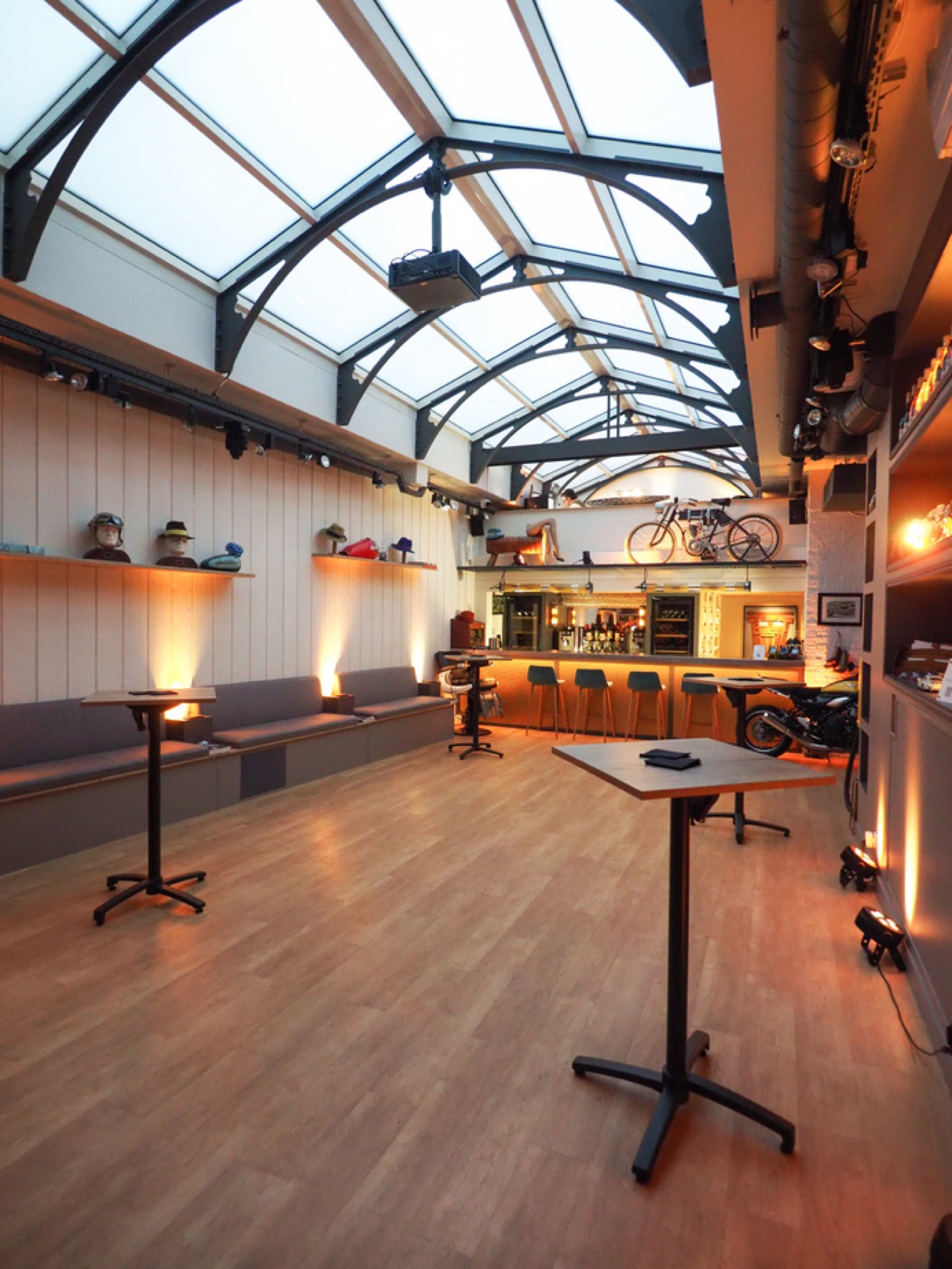
Corporate standing dinner: how many canapés per guest, and how to get the evening right
Canapés per guest, savoury and sweet balance, drinks, service, running order: the practical guide to organising a corporate standing dinner in Paris where nobody goes home hungry.
 Practical guide
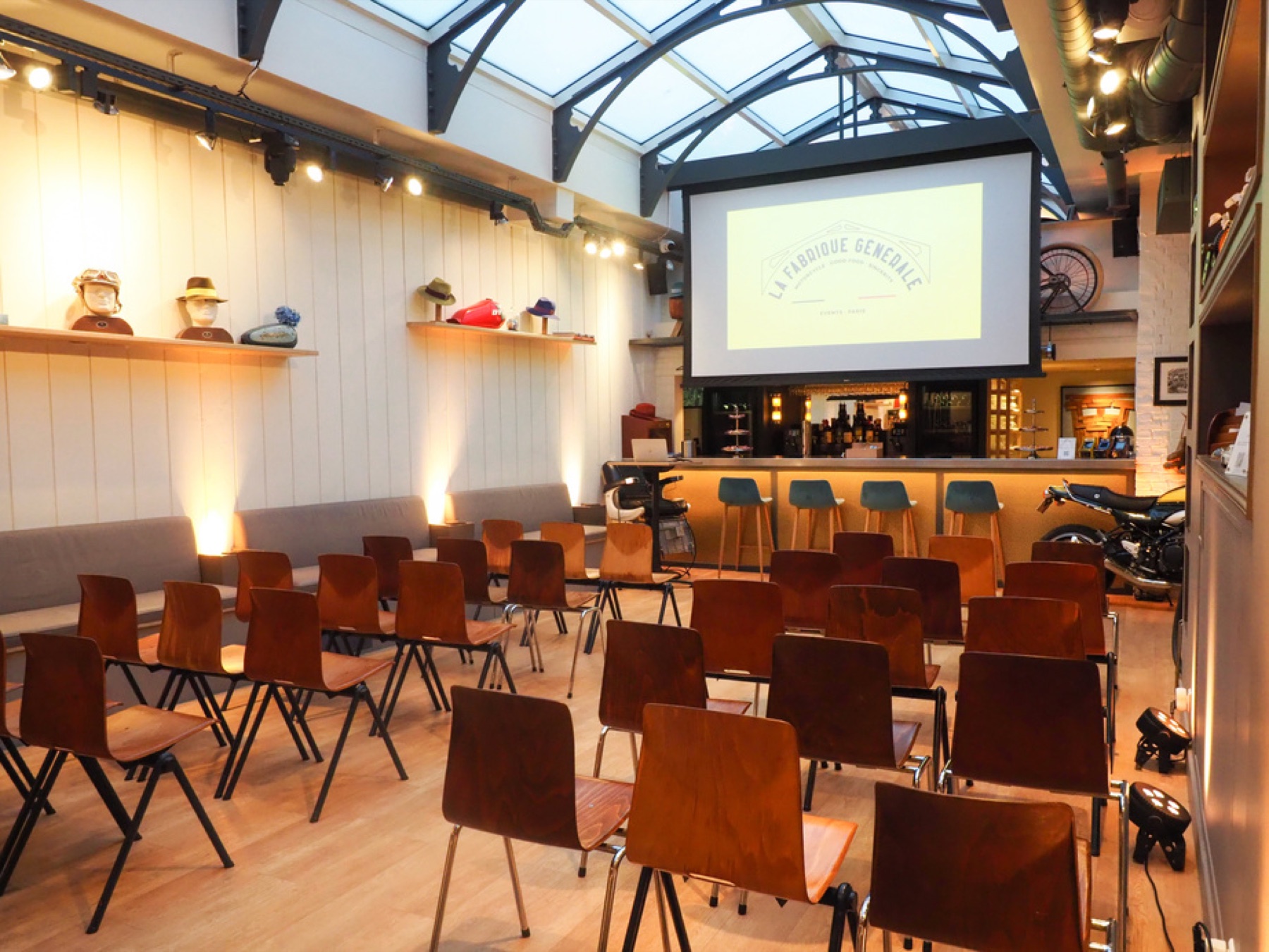
How to organise a company kick-off in Paris: the guide to launching the year
Plenary, workshops, lunch, evening: how to organise a company kick-off in Paris for 20 to 60 people, build a programme that gets teams on board, and book the right venue in time for January.
Practical guideRoom hire in Paris 17th: the guide to finding the right space (meeting, seminar, party)
Meeting room, seminar room, function room: how to hire a space in the 17th arrondissement of Paris for your format, what should be included, and why a "room" is rarely what you actually need.