
Organising a corporate dinner in Paris: the guide to a proper table
Executive committee, client dinner, team meal: how to organise a corporate dinner in Paris for 8 to 30 covers, choose between a restaurant and an exclusively hired venue, and build a menu everyone agrees on.
The La Fabrique Générale team
Ask an AI to summarise this article
Click on your favourite AI for an instant summary
There is a group size beyond which "let's just go to a restaurant" stops being a good idea. It sits at around eight covers. Below that, any good address will do. Above it, you know what happens: the table at the back near the toilets, the waiter who can't take fifteen orders at once, conversations cut into three by the noise, and a bill to split on the corner of a tablecloth.
Yet the corporate dinner is the most effective format for what it promises: a real conversation between people who never have the time for one. Here is how to organise it so that it keeps that promise.
The three corporate dinners (and what each expects from a venue)
Not all dinners are alike. Before looking for an address, you need to know which one you're organising.
The team meal. Ten to thirty people, often at lunchtime, with a simple goal: gather around a proper table without losing the afternoon. It needs service that keeps to time, a menu that doesn't start a debate, and an atmosphere that has nothing of the canteen about it.
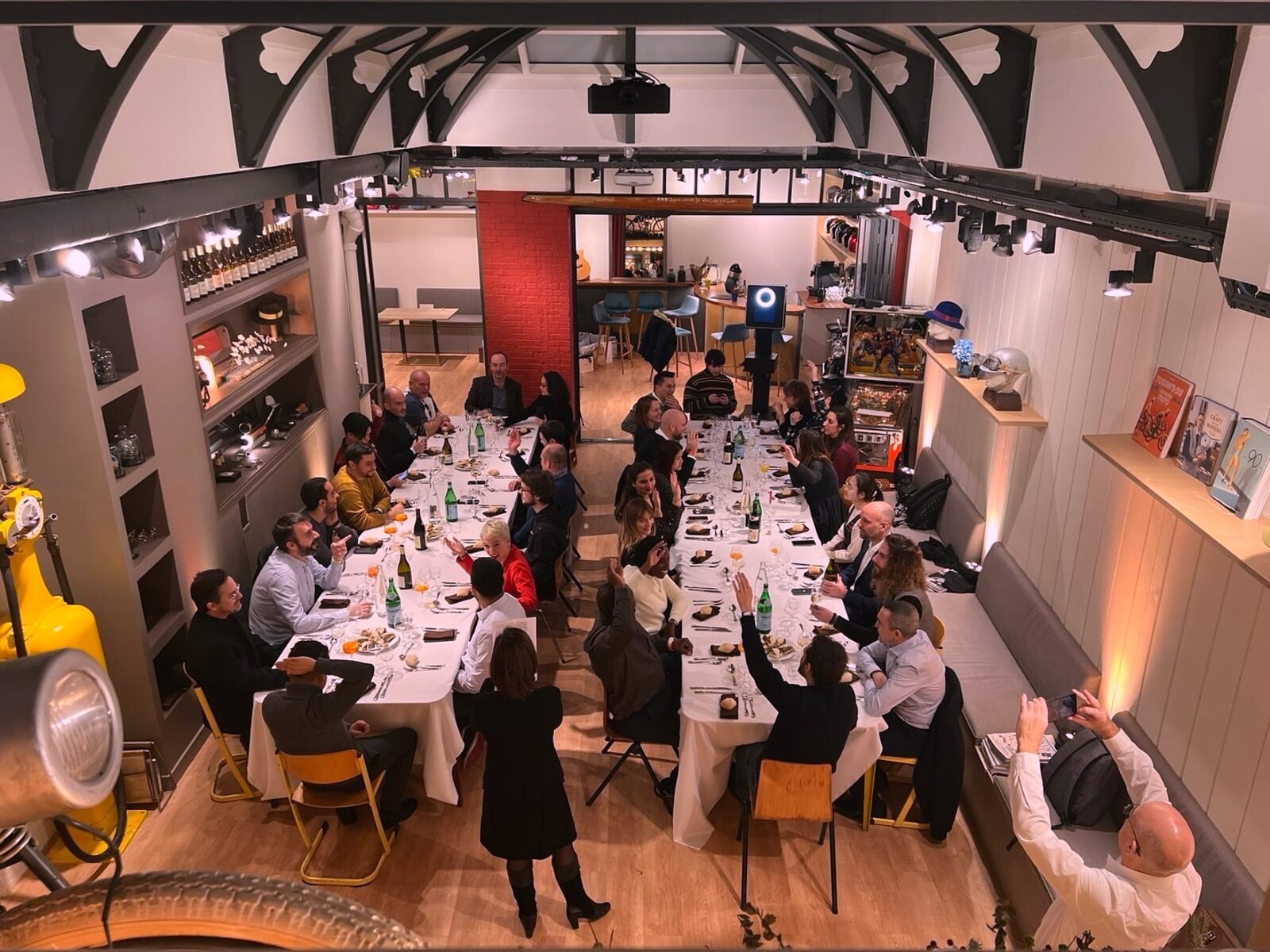
The client or partner dinner. Eight to twenty-four covers, in the evening. This is where you discuss the things that can't be said on a video call. Above all it needs quiet: being able to talk at a normal volume from one end of the table to the other, with no neighbours listening in.
The executive dinner. Executive committee, board, closing dinner of a seminar, from twelve to thirty covers. It needs decorum: soft lighting, careful table setting, discreet service and, above all, no other party in the room.
Three dinners, three sets of demands. But one thing in common: past eight covers, the venue matters as much as the plate.
Restaurant or exclusively hired venue?
A restaurant is unbeatable up to eight. Beyond that, its limits show quickly:
- Space. A group of fifteen is seated where it fits, rarely where it's comfortable.
- Noise. A full restaurant dining room runs at around 75 decibels. At that level you talk to your neighbour, not to the table.
- Pace. The kitchen serves the whole room, not your group. Twenty minutes between starter and main for fifteen people is the norm, not the exception.
- The bill. Imposed group menu, drinks on the meter, last-minute supplements: the final amount is discovered at the end.
An exclusively hired venue solves all four at once, on one condition: that it really is yours. Some venues "hire out" a private room at the back of a space that carries on as normal. That isn't the same thing. The question to ask is simple: that evening, will there be another group in the house? If the answer is yes, you're in a restaurant, at a higher price.
Our position on this is well known: whether you're 10 or 30 covers, the whole house is yours. One event at a time, never a shared room.
The menu: the real subject
This is where half of all successful dinners are won, and every failed one is lost.
One menu, two choices per course. This is the format that works: two starters, two mains, two desserts to choose from, agreed with the chef before the day. Enough freedom for everyone to find something they like, enough structure for service to stay fluid. The full à la carte for thirty covers is a guarantee of endless service.
Dietary requirements are planned, not improvised. Vegetarian, gluten-free, halal, kosher, alcohol-free: collect them with the invitation, not at the table. A good venue builds them into the menu at no extra charge and without the guest concerned feeling singled out.
Home cooking rather than reheated catering. The difference shows on the plate and can be felt in the room. A kitchen on site, working with seasonal produce, delivers a dinner. A delivered tray delivers a seated buffet.
Wines by the glass, paired. For an executive or client dinner, food and wine pairings by the glass, chosen with the menu, beat a wine list to browse mid-conversation. And a mocktail worthy of the name for those who don't drink.
The running order that keeps to time
A seated dinner has a mechanism. Respect it and you finish on time without anyone noticing the hours pass.
- 7:30 pm · Welcome, standing drinks. Thirty minutes, no more: it's the buffer that lets latecomers arrive without breaking the rhythm.
- 8:00 pm · To the table. A seating plan for executive and client dinners, never for a team meal.
- 8:15 pm to 10:15 pm · Three courses, around forty minutes each. The welcome speech, if there is one, slots in between the drinks and the starter. Never between the main and the dessert, when attention is at its lowest.
- 10:15 pm · Coffee, digestif, end of service. Those who want to carry on can do so at the bar, without keeping the others at the table.
At lunchtime the same mechanism tightens: welcome at 12:15 pm, table at 12:30 pm, coffee at 2 pm. A team lunch that spills into the afternoon isn't a success, it's a lost meeting.
The mistakes that cost the most
The table that's too long. Beyond twelve people on a single rectangular table, the two ends stop talking to each other. From fifteen upwards, go for two tables of eight, or one long table with a seating plan designed to mix departments.
Office lighting. A dinner under strip lights is a late lunch. In the evening the light has to come down: candles, wall lights, indirect lighting. It's the detail that changes the perception of a dinner the most, for the lowest cost.
The twenty-minute speech. Five minutes, no slides, before the starter. Dinner is the only format where you can address everyone at once without a microphone. Don't abuse it.
The "from" quote. Insist on a per-cover, all-inclusive rate: menu, wines, service, table setting, exclusive hire. An executive dinner whose budget drifts is a dinner people talk about for the wrong reasons.
How far ahead?
A team lunch can be set up in one to two weeks. A client dinner needs three weeks, the time to agree the menu and the dietary requirements. An executive dinner or a seminar closing dinner is booked a month ahead, more between mid-November and mid-December, when end-of-year dinners saturate the diaries.
In short
A successful corporate dinner comes down to four things: a venue that's genuinely yours once you pass eight covers, a two-choices-per-course menu agreed with the chef, lighting that comes down as the evening goes on, and a per-cover rate known before anyone sits down.
With us, it's called Seated lunch or dinner: up to 30 covers, table service, a home-made chef's menu, Monday to Friday, lunchtime or evening. Tell us about your table: we reply within 24 hours with a one-page quote.
Further reading
 Practical guide
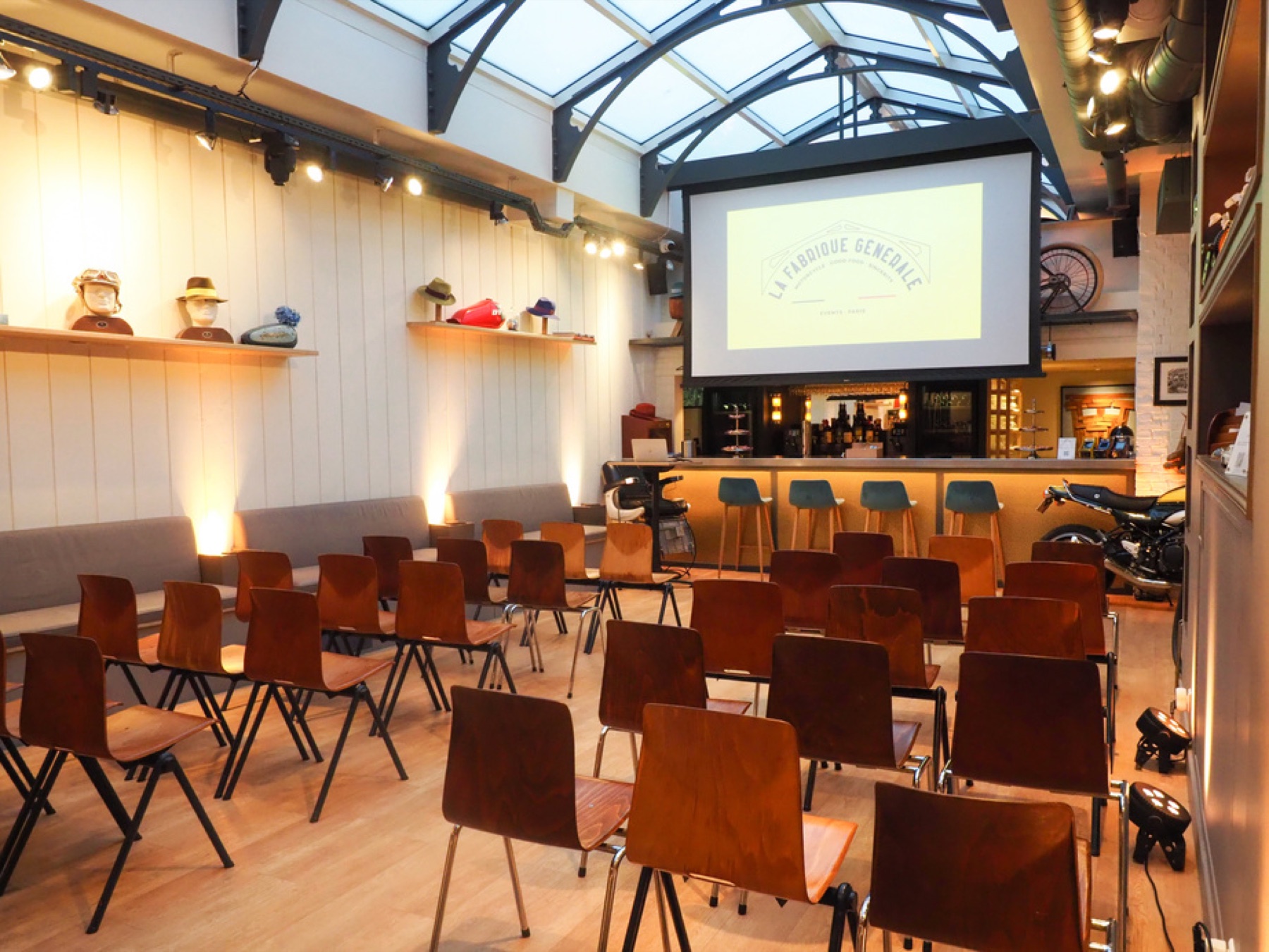
Room hire in Paris 17th: the guide to finding the right space (meeting, seminar, party)
Meeting room, seminar room, function room: how to hire a space in the 17th arrondissement of Paris for your format, what should be included, and why a "room" is rarely what you actually need.
 Practical guide
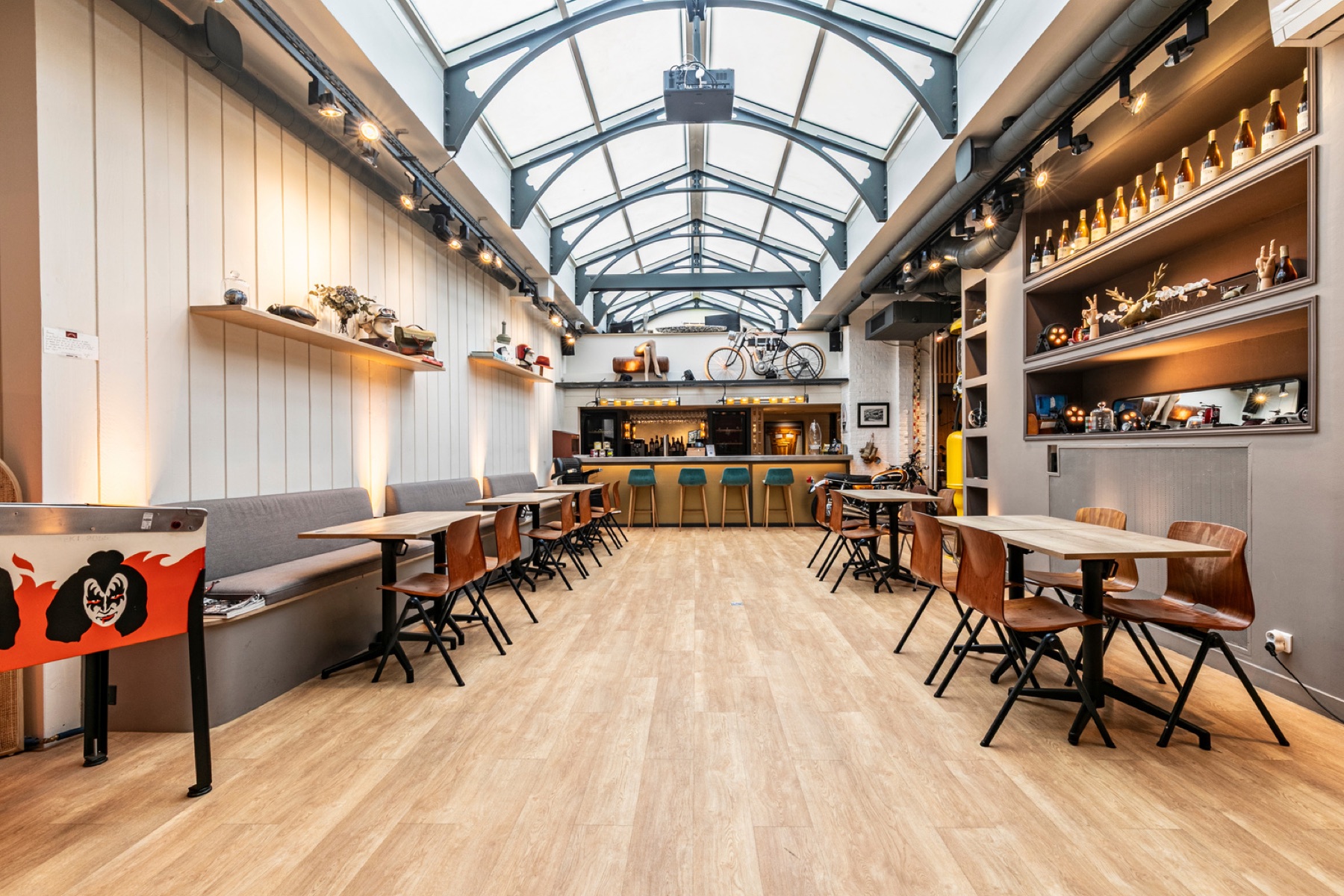
Hiring a venue in Paris: how to read a quote (and spot the hidden costs)
Dry hire or all inclusive, minimum spend, overtime, cleaning, staff: the guide to comparing venue hire quotes in Paris on the same basis, and avoiding the surprise invoice.
 Ideas & inspiration
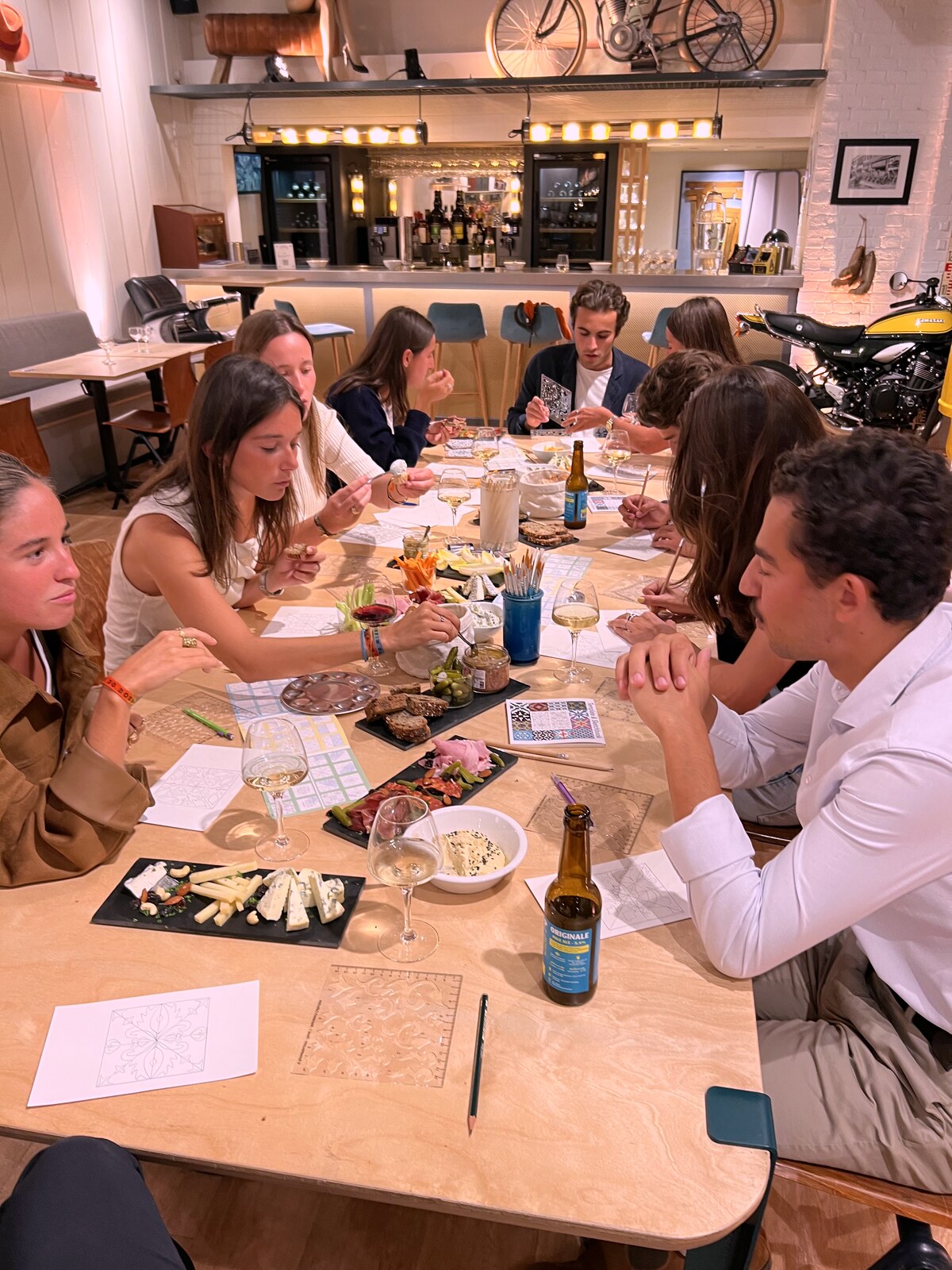
Team building in Paris: 7 indoor formats that work all year round
Half-day, hybrid day, after-work challenge, podcast workshop… The indoor team-building formats that genuinely build cohesion in Paris, and how to put them together without turning the day into summer camp.