
Unique event venue for exclusive hire in Paris: how to choose the right one
Glass roof, former factory, artist's studio... How to choose a unique venue for exclusive hire in Paris for a corporate event: the 7 criteria that matter and the pitfalls to avoid.
The La Fabrique Générale team
Ask an AI to summarise this article
Click on your favourite AI for an instant summary
There is a precise moment when you know a corporate event has hit the mark: when guests walk through the door and reach for their phones before they have even taken off their coats. A hotel meeting room will never produce that moment.
That is the whole promise of a unique venue: a former mirror workshop, a studio under a glass roof, a converted industrial site. A setting that tells a story and that people remember. But between the lovely photo and the operational reality, there can be a world of difference. Here is how to choose without getting it wrong.
Why leave the hotel and the restaurant behind
Three reasons come up with every team that takes the plunge:
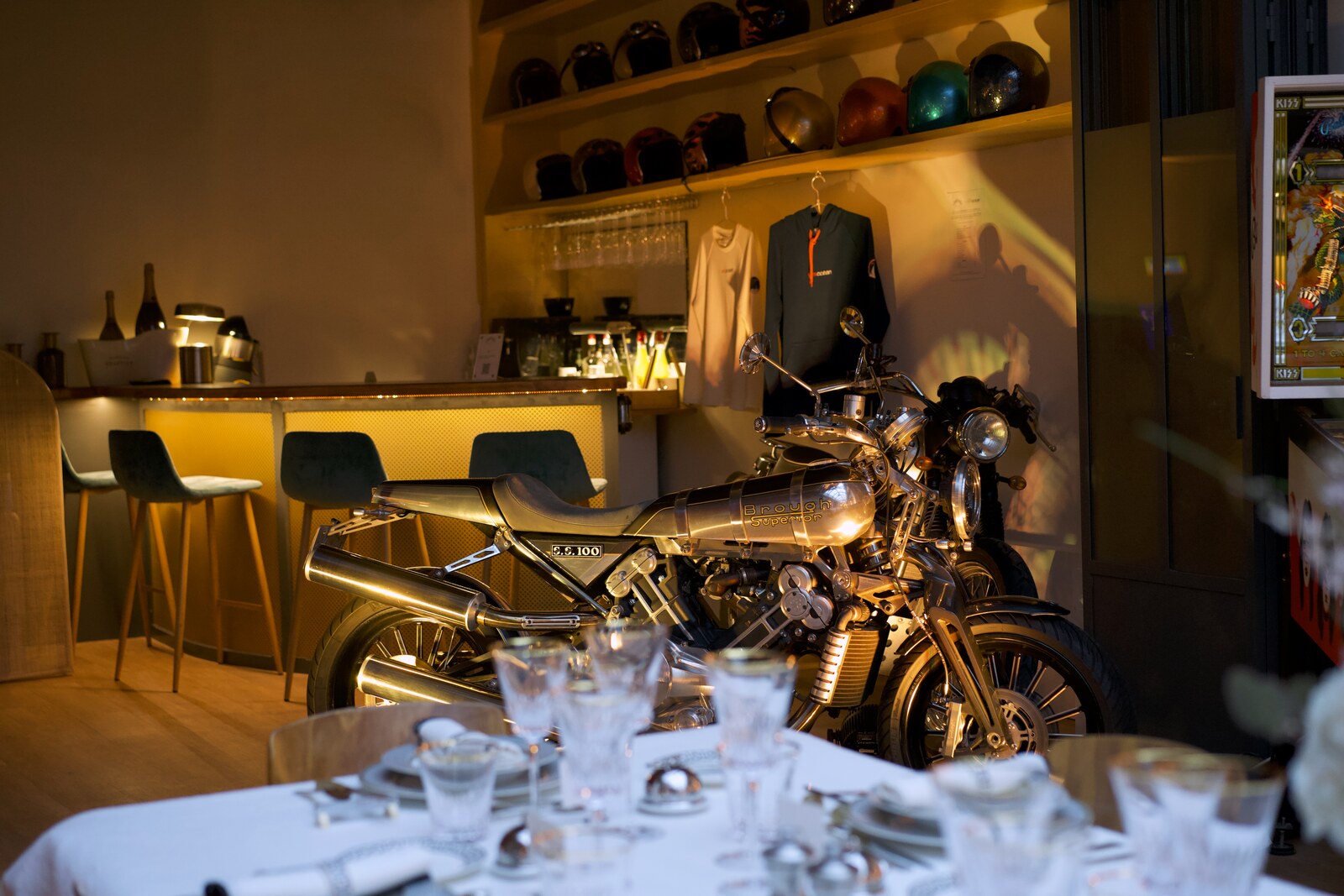
- Memory. Nobody remembers the Rive Gauche room on the third floor; nobody forgets a dinner among classic motorbikes. The venue is half the memory.
- Ownership. A venue hired exclusively becomes your space for the evening: your decor, your colours, your pace. In a restaurant, you remain one customer among many.
- Freedom. No neighbouring table listening in, no noise ceiling imposed by a shared room, no fixed menu. The programme adapts to you, not the other way round.
The 7 criteria that really matter
1. Real capacity, not brochure capacity
Venues rarely state their capacity under real conditions. "200 people" standing shoulder to shoulder, with no cloakroom and no buffet, is not an event, it is a metro platform. Ask for capacity by format: seated dinner, plenary, cocktail with buffets and bar set up. And check that it matches your headcount with a comfortable margin.
2. Exclusive or shared hire?
The words "private hire" cover two very different realities. Some venues hire out one area (the back of the room, the mezzanine) and you share the rest. For a corporate event, exclusive hire changes everything: confidential conversations, freedom with the sound, no outsiders in the photos.
3. Catering: in-house or external caterer?
This is THE underrated criterion. A "dry hire" venue (bare rental) leaves you to coordinate the caterer, deliveries, back kitchen and service staff: that many suppliers, quotes and risks. A venue with its own kitchen on site and an in-house team removes that whole layer: one point of contact, one quote, and a plate that comes out of the kitchen, not out of a van.
The question to ask: "Who does the cooking, and where?" If the answer is vague, so will the plate be.
4. Technical equipment included (and operated)
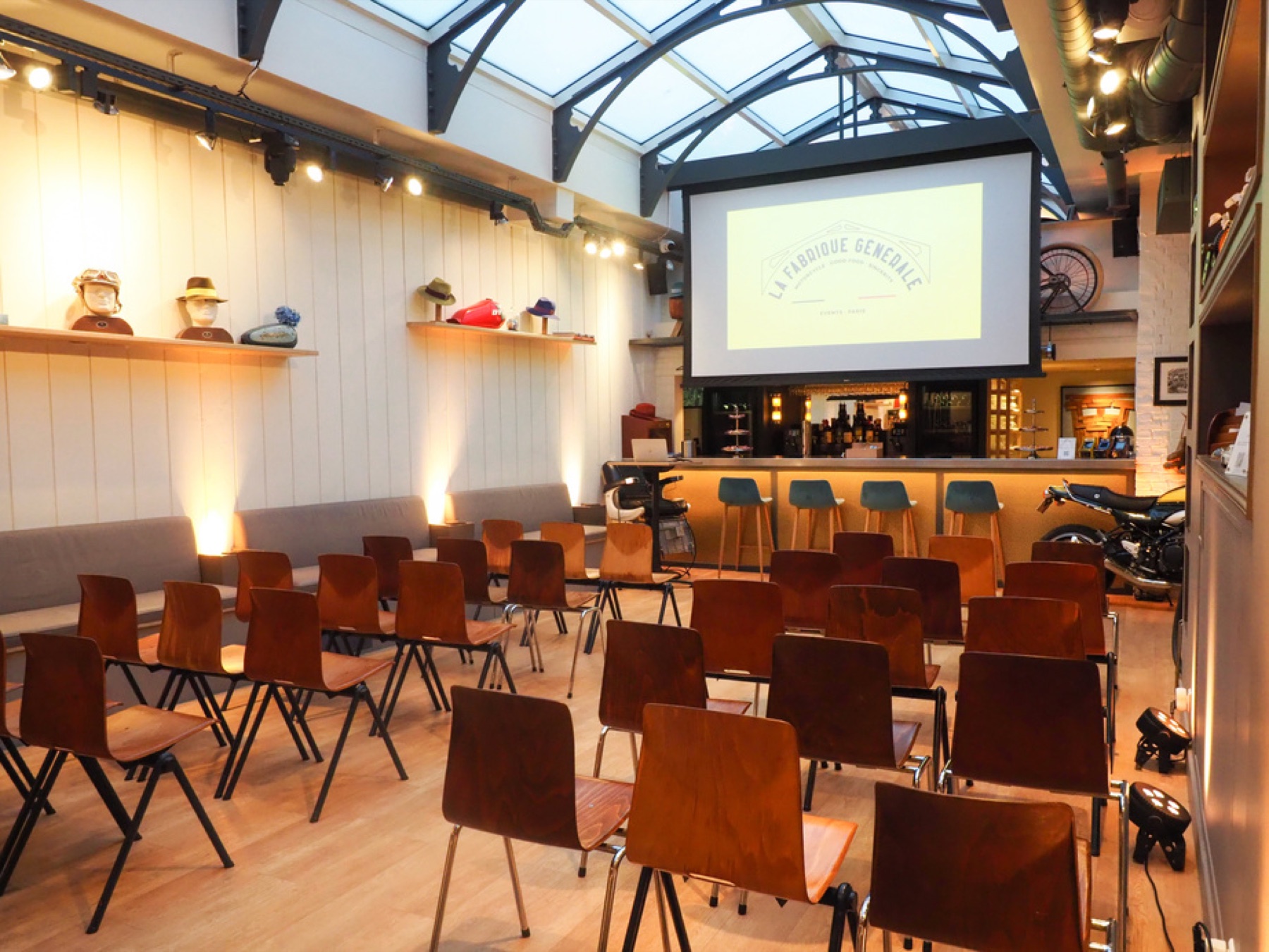
Sound system, microphones, projector, lighting, wifi: check not only that the kit exists, but that someone from the venue knows how to use it on the night. A projector without a technical manager means twenty minutes of panic at the start of the plenary. Everyone has lived through that scene.
5. Neighbours and hours
Unique venues are often tucked away in residential neighbourhoods: that is their charm, and their constraint. Ask the awkward questions before you sign: until what time can you play music? Is an extension possible, and on what terms? A serious venue has precise answers (and solutions, such as karaoke in the basement rather than the sound system at full blast on the street side).
6. Accessibility
The magical loft 25 minutes from the last metro will lose a third of your guests by 10:30 pm. Within central Paris, a few minutes from a station, you will keep everyone until the end. Think about step-free access too: a handsome industrial staircase can exclude some guests.
7. A single point of contact
The criterion that is invisible in the photos and decisive in practice: who looks after your booking? If the answer is "the sales rep, then the caterer, then the technical manager, then the floor manager", you have just recruited a project manager: you. Look for a venue where one person carries your event from brief to debrief.
The classic pitfalls (seen time and again)
- The "from" price. The headline rate that doubles once service, technical kit, cloakroom and cleaning are added. Insist on an all-inclusive quote, with the price fixed in advance.
- The hidden costs of dry hire. Bare rental + caterer + furniture + technical kit + staff + insurance: add it all up before comparing. The "cheaper" venue is rarely the one you think.
- Corkage. Some venues charge you for bringing your own bottles. Clarify it in writing.
- Optimistic capacity. Re-read criterion no. 1, then visit with a tape measure in mind.
- The non-compliant venue. A professional event must take place in premises licensed to receive the public (an "ERP" under French regulations): fire safety, emergency exits, insurance. The residential loft rented under the table exposes you and your company. Ask for the ERP classification, it is a perfectly normal question.
The site visit: the decisive test
No brochure replaces twenty minutes on site. During the visit, three checks:
- Close your eyes. What do you hear? The street, the ventilation, the echo? Acoustics make or break an evening.
- Walk through your running order. Where do guests arrive? Where do the coats go? Where does the speech happen? If the flow feels obvious, the venue is well designed.
- Listen to the questions YOU are asked. A venue that asks about your objectives, your real headcount and your timings is already preparing your event. A venue that only talks about its rates is only preparing its invoice.
In a nutshell
The right unique venue is a setting that leaves a mark and a well-oiled machine behind it: honest capacity, exclusive hire, kitchen on site, operated technical kit, one point of contact. The setting brings people in; the operations bring them back.
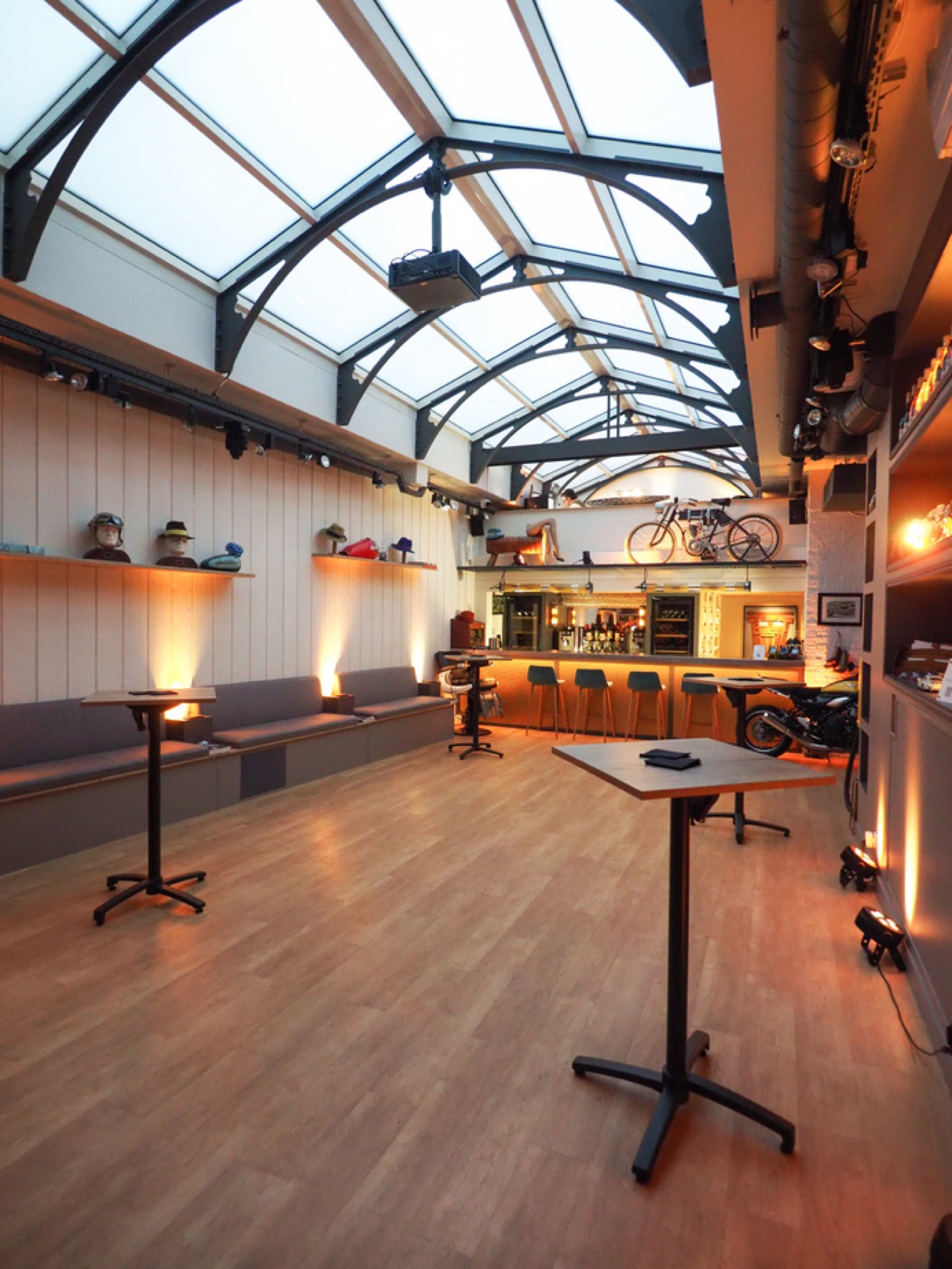
If you are looking for that kind of place around Paris 17th, we know a former mirror workshop under a glass roof, with classic motorbikes and home-made cooking. Come and visit, or first explore the venue, room by room.
Further reading
 Practical guide
Corporate standing dinner: how many canapés per guest, and how to get the evening right
Canapés per guest, savoury and sweet balance, drinks, service, running order: the practical guide to organising a corporate standing dinner in Paris where nobody goes home hungry.
 Practical guide
How to organise a company kick-off in Paris: the guide to launching the year
Plenary, workshops, lunch, evening: how to organise a company kick-off in Paris for 20 to 60 people, build a programme that gets teams on board, and book the right venue in time for January.
Practical guideRoom hire in Paris 17th: the guide to finding the right space (meeting, seminar, party)
Meeting room, seminar room, function room: how to hire a space in the 17th arrondissement of Paris for your format, what should be included, and why a "room" is rarely what you actually need.