
Organising a company after-work event in Paris: the short-format guide
The right day, the right venue, the right budget: how to organise a company after-work in Paris that makes people want to stay past 7:30 pm, without ending up standing in a packed bar.
The La Fabrique Générale team
Ask an AI to summarise this article
Click on your favourite AI for an instant summary
The after-work is the most underrated format in team life. It needs no three-month timeline, no end-of-year budget, no prepared speech. And yet it's often the one that does the most for a team's atmosphere, provided you don't reduce it to "let's go down to the bar downstairs".
Here is what dozens of after-work events hosted here have taught us about what separates the drink quickly dispatched from the evening people are still talking about on Monday.
Why the after-work (often) beats the big party
- It's decided quickly. One or two weeks is enough to organise it, where an annual party takes months of preparation.
- It respects people's diaries. A 6 pm to 10 pm format fits around family life, suburban commutes and busy mornings. The result: an attendance rate the big party never reaches.
- It repeats. That's its real strength: one after-work per quarter builds more cohesion than one party a year. Team trust is a matter of frequency, not glitter.
- It costs what it says. On a short format with a per-person rate, there's no end-of-night overspend.
The three classic traps
The bar you haven't hired. It's the default reflex, and it's almost always disappointing: not enough seats, background noise that rules out any conversation of more than three people, overwhelmed staff and a final bill nobody had approved. You don't build cohesion standing up, wedged between two other tables.
The dressed-up open-plan office. Beers in the fridge, a speaker on a desk: the intention is good, but nobody really switches off in the room where they work. An after-work needs a somewhere else: that's precisely what sets it apart from a meeting that overruns.
"We'll sort it out on the night". No headcount announced, nothing to eat before 8 pm, a single server for fifty people: you can spot the improvised after-work by the twenty-minute wait for a drink. A minimum of preparation changes everything, and that minimum fits on a post-it.
The format that works: 6 pm to 10 pm
The winning running order is disarmingly simple:
- 6:00 pm · Doors open. The first guests arrive around 6:30 pm, so plan the welcome accordingly.
- On arrival · A drink in hand within two minutes. That is THE criterion of a successful after-work; everything else is negotiable.
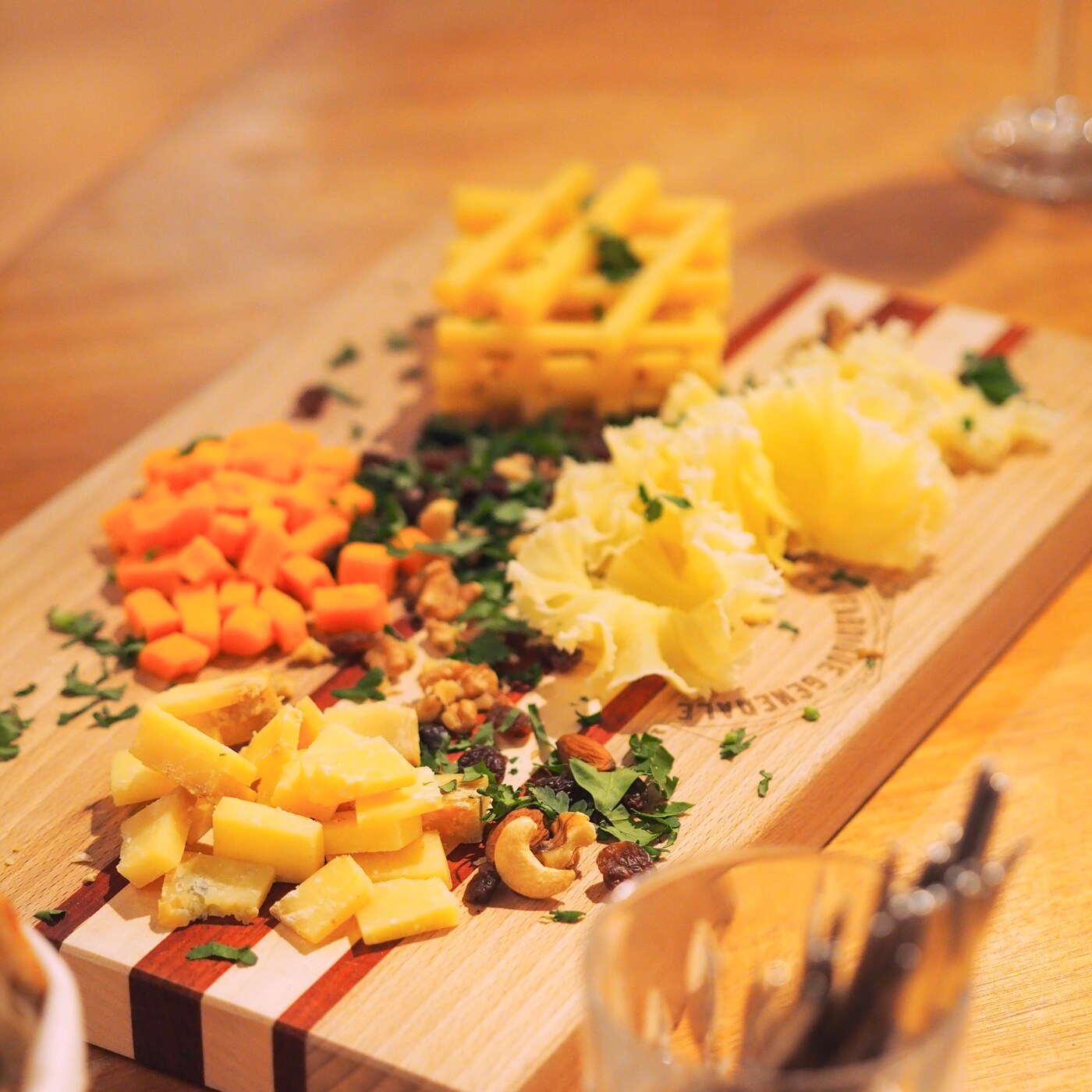
- Throughout · Proper food: charcuterie and aged cheese boards, home-made focaccia, enough to stand in for dinner. An after-work where people leave hungry at 9 pm empties out at 9 pm.
- Free access · Pinball, indoor pétanque, arcade cabinet, photo booth: games with no sign-up and no host, which create rallying points without imposing anything.
- 10:00 pm · End. A finishing time announced in advance isn't a flaw: it's what brings in the people who are hesitating.
A welcome speech? Five minutes at most, no slides. The after-work is the only corporate format where the official programme fits in one word: "come".
Which day to choose?
Thursday is the undisputed king of the Paris after-work, followed by Tuesday. But don't cross Friday off too quickly: for hybrid teams, it's sometimes the only day everyone can stay without watching the clock. With us, after-work events can be booked Monday to Friday, and Friday has its regulars.
Which venue for which headcount?
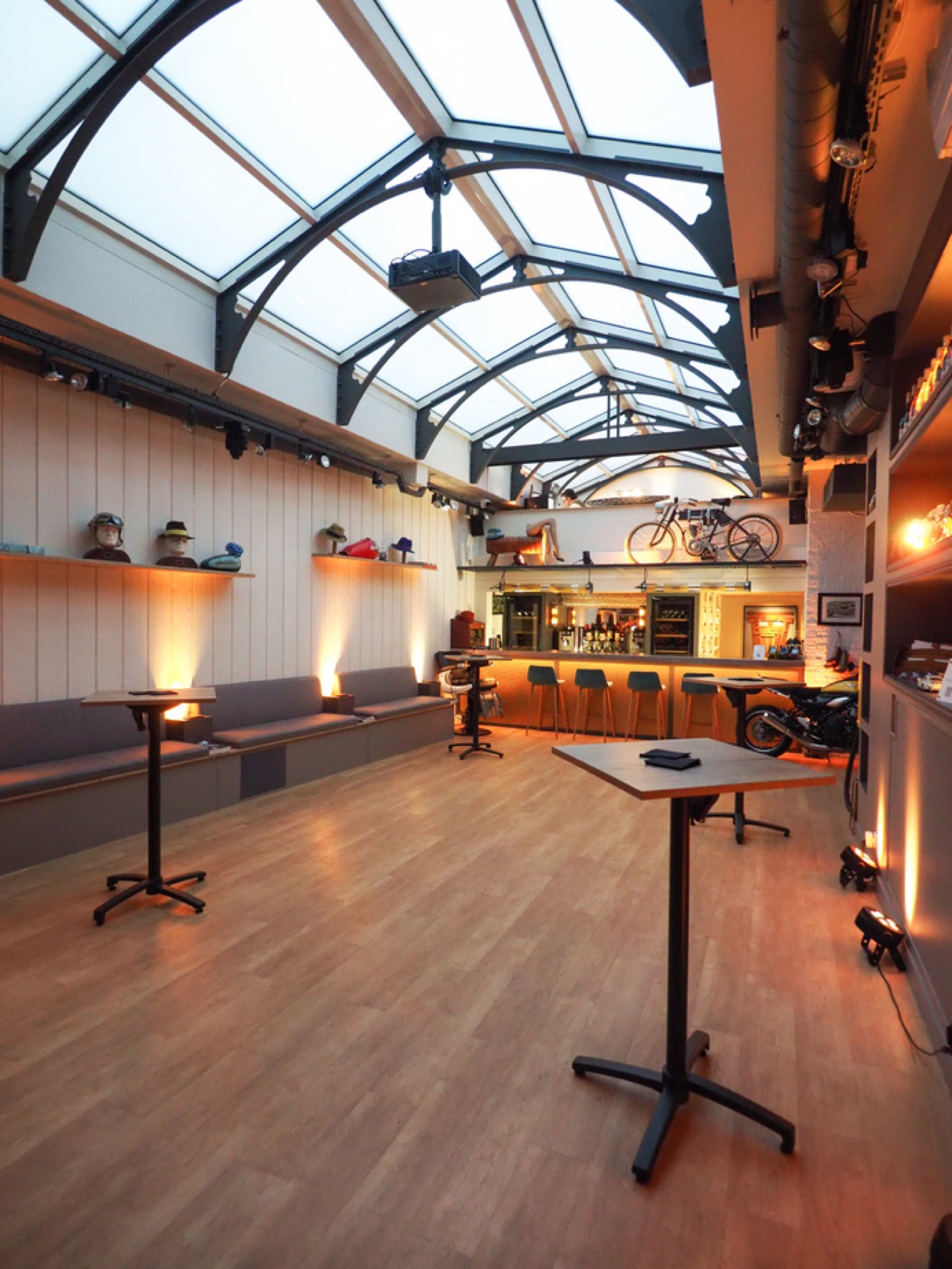
For 10 to 15 people, a good restaurant with a reserved area does the job. Beyond that, exclusive hire changes the game: from 20 people upwards, having the place to yourselves, with no strangers at the bar, your own music, your own pace, your own games, transforms the exercise.
The criteria that matter: genuine exclusive hire (your team, nobody else), proximity to the office (beyond a 20-minute journey, half the team evaporates; we explained why accessibility drives attendance in our guide to the 17th arrondissement), and drinks included rather than on the meter.
On that last point, our stance is well known: our after-work format includes the open bar (wines from independent growers, craft beers, spritz, mocktails), with no tokens and no premium list. The bill is known before the evening, not after.
The express checklist (7 days is enough)
- Set the date and announce the finishing time in the invitation.
- Count the real headcount: out of 40 invited, plan for 30 to turn up.
- Ask about non-drinkers and dietary requirements: mocktails and a vegetarian board are planned for, not improvised.
- Set an all-inclusive per-person budget, approved beforehand, defensible afterwards.
- And on the day: be among the first to arrive. An after-work where the manager turns up at 8 pm sends exactly the wrong message.
In short
A good after-work is a venue hired exclusively, less than twenty minutes from the office, a drink served within two minutes, enough food to skip dinner without sitting down to it, a finishing time announced in advance and nothing compulsory. It's not much, and that "not much" is what makes people stay past 7:30 pm.
Ours is ready Monday to Friday, for 20 to 150 guests, two minutes from Villiers metro. Describe your after-work to us: we reply within 24 hours, and for a short format, one or two weeks' notice is enough.
Further reading
 Practical guide
Corporate standing dinner: how many canapés per guest, and how to get the evening right
Canapés per guest, savoury and sweet balance, drinks, service, running order: the practical guide to organising a corporate standing dinner in Paris where nobody goes home hungry.
 Practical guide
How to organise a company kick-off in Paris: the guide to launching the year
Plenary, workshops, lunch, evening: how to organise a company kick-off in Paris for 20 to 60 people, build a programme that gets teams on board, and book the right venue in time for January.
Practical guideRoom hire in Paris 17th: the guide to finding the right space (meeting, seminar, party)
Meeting room, seminar room, function room: how to hire a space in the 17th arrondissement of Paris for your format, what should be included, and why a "room" is rarely what you actually need.